

Drug experimentation is the initial phase in the progression toward active drug addiction. It involves trying a substance, often out of curiosity or peer influence, with the primary goal of experiencing its numbing or euphoric effects. Drug experimentation can be a one-time occurrence or involve sporadic use without necessarily developing an addiction. Of course, what is alcoholism not every person who tried alcohol or drugs once ends up addicted. But for many people, especially those who are more vulnerable to addiction, this first use, the first ‘head change,’ is what sets the addiction cycle in motion.
Genetic and Environmental Factors
- In order to gain a better understanding of addiction, it is important to explore the stages that individuals may go through when grappling with substance abuse.
- Early intervention can prevent long-term damage, and recovery is always possible, no matter how deep into the addiction cycle someone may be.
- The road to recovery may be challenging, but with the right support and resources, it is absolutely achievable.
Experimentation typically involves one-time or occasional use, often in social settings such as parties, concerts, or gatherings with friends, where users perceive minimal immediate harm. For example, a young adult might try marijuana at a music festival or drink excessively at a college event to fit in. Discover the benefits, support, and triumphs on your journey to seek joy and sobriety. Calls to numbers marked with (I) symbols will be answered or returned by one of the treatment providers listed in our Terms and Conditions, each of which is a paid advertiser. Additionally, risk-taking behavior often increases during this phase. Even though addiction has been with humankind since we first figured out how to make alcohol, it is still one of the most widely misunderstood diseases.
- The addiction cycle typically follows five distinct stages, from initial use to eventual dependency.
- But first you need to know how many stages of addiction are there, and what each stage signifies.
- The compulsive nature of addiction stems from significant changes in brain function, particularly in the prefrontal cortex, which governs decision-making, impulse control, and judgment.
Negative Consequences
Recovery is possible, and many individuals have successfully broken free from the grip of addiction. Let’s explore the steps involved in breaking the cycle and reclaiming one’s life. Perhaps one of the most insidious effects of addiction is the choose the correct cycle of addiction. way it derails life plans and stunts personal growth. Dreams and ambitions are put on hold or abandoned entirely as the addiction takes center stage. The loss of potential – what could have been if not for the addiction – is a tragedy that’s hard to quantify but deeply felt by those in recovery. Addiction doesn’t just affect the individual using substances – its impacts ripple outward, touching every aspect of a person’s life and the lives of those around them.
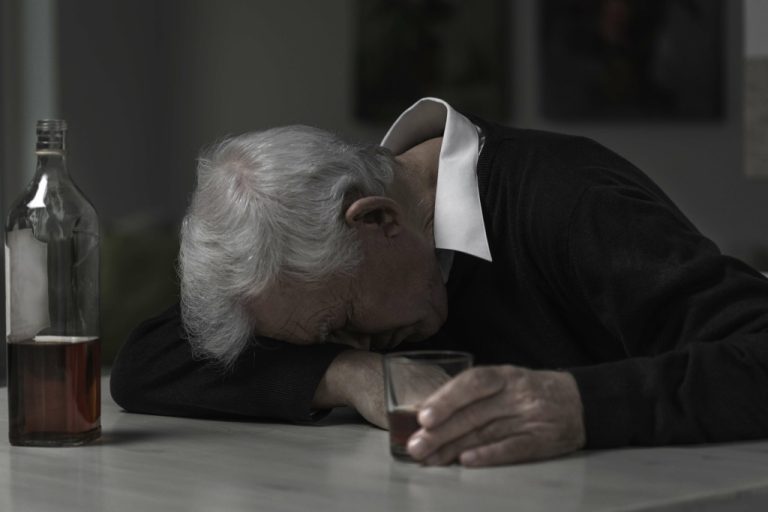
The Three Stages Of Relapse

Individuals lose control, prioritizing substances over health, relationships, employment, and personal safety. Regular use develops as experimentation transitions into a consistent pattern, with individuals incorporating substances into their daily or weekly routines to achieve specific effects, such as relaxation, euphoria, or stress relief. This phase may involve drinking alcohol every evening, using prescription painkillers beyond medical need, or smoking marijuana to unwind.
- Withdrawals from different categories of drugs produce various side effects and require separate approaches.
- Many people consider it the beginning of recovery when the addict begins exploring ways of treatment and counseling.
- The earlier you seek help, the better and easier the recovery will be.
- You can also keep a few strategies in hand to mitigate a relapse before it happens.
The first phase is https://chameleontea.com/impact-of-alcohol-abuse-on-susceptibility-to-rare/ initial use, where someone experiments with a substance or behavior. The second is abuse, when use becomes more frequent and harmful effects begin. The third is tolerance, where larger amounts are needed to feel the same effects.